
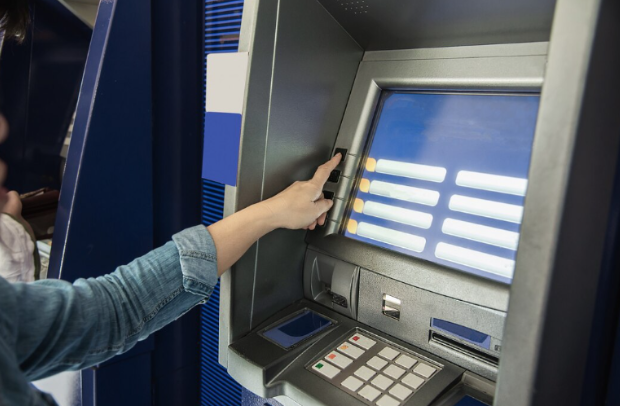
Automated Teller Machines (ATMs) have become an essential part of modern banking and retail operations, providing customers with convenient access to cash and financial services around the clock. Whether installed in banks, retail stores, hotels, or entertainment venues, ATMs must operate reliably to ensure customer satisfaction and uninterrupted business operations. However, like any technology, ATMs require routine inspections, timely repairs, and preventive maintenance to remain efficient and secure.
Investing in professional ATM service helps minimize downtime, improve machine performance, and extend equipment lifespan. Regular maintenance not only keeps machines functioning properly but also reduces the risk of unexpected failures that can lead to lost transactions and frustrated customers. Proper servicing includes hardware inspections, software updates, security checks, and preventive maintenance designed to ensure continuous operation.
What Is ATM Service?
ATM service refers to the maintenance, repair, monitoring, and technical support required to keep ATM machines operating efficiently. These services may be performed on a scheduled basis or in response to equipment failures.
Typical ATM services include:
- Preventive maintenance
- Emergency repairs
- Hardware replacement
- Software updates
- Security inspections
- System diagnostics
- Installation support
- Remote monitoring
Routine servicing helps detect minor issues before they develop into major operational problems, improving machine reliability over time.
Why Regular ATM Maintenance Matters
ATMs are complex systems containing electronic components, cash handling mechanisms, communication hardware, and security features. Continuous usage naturally causes wear and tear that can affect machine performance.
Improved Uptime
One of the biggest advantages of regular ATM service is increased machine availability. Preventive maintenance reduces unexpected breakdowns and helps ensure customers always have access to cash.
Enhanced Security
Routine inspections help identify potential security risks, verify software updates, and ensure compliance with current payment security standards.
Longer Equipment Lifespan
Replacing worn components before failure helps extend the operational life of an ATM while reducing expensive emergency repairs.
Better Customer Experience
Reliable machines improve customer satisfaction by minimizing transaction failures, communication errors, and service interruptions.
Common ATM Issues That Require Service
Even high-quality ATM machines occasionally require maintenance.
Some of the most common issues include:
Cash Dispenser Problems
Cash jams or dispensing errors can interrupt customer transactions and require immediate attention.
Card Reader Malfunctions
Damaged or dirty card readers may prevent customers from completing transactions successfully.
Communication Failures
Network connectivity issues can temporarily take ATMs offline and prevent transaction processing.
Printer Problems
Receipt printers require regular maintenance to prevent paper jams and printing failures.
Software Errors
Operating system updates and application maintenance help resolve software-related issues while improving system security.
Prompt servicing minimizes downtime and restores normal operation quickly.
Types of ATM Service Available
Different organizations have different maintenance requirements depending on the size of their ATM network.
Preventive Maintenance
Scheduled inspections help identify worn components before they fail and reduce emergency repair needs.
Corrective Maintenance
Corrective service addresses equipment failures after they occur, restoring ATM functionality as quickly as possible.
Emergency Repair Services
Unexpected equipment failures often require rapid on-site response to minimize business disruption.
Installation and Setup
Professional installation ensures ATMs are configured correctly, tested thoroughly, and ready for operation.
Remote Monitoring
Many service providers offer continuous monitoring that detects technical issues before customers notice service interruptions.
How to Choose the Right ATM Service Provider
Selecting the right maintenance partner from an ATM machine for sale is an important decision for businesses that rely on ATM availability.
Consider the following factors:
Industry Experience
Choose providers with proven experience servicing different ATM models and operating environments.
Response Time
Fast response times help reduce downtime and maintain customer confidence.
Geographic Coverage
Organizations operating multiple locations benefit from providers offering broad regional or nationwide support.
Flexible Service Plans
Many businesses prefer service contracts, while others choose on-demand repair services based on operational requirements.
Technical Expertise
Certified technicians with experience in hardware, software, and network troubleshooting can resolve problems more efficiently.
Best Practices for Maintaining ATM Performance
Businesses can improve ATM reliability by following several maintenance best practices.
These include:
- Schedule regular preventive inspections.
- Keep software updated.
- Monitor transaction performance.
- Replace worn parts promptly.
- Clean external and internal components regularly.
- Review security systems periodically.
- Maintain accurate service records.
Consistent maintenance reduces operational costs while improving machine availability.
Industries That Depend on ATM Service
Professional ATM maintenance supports a wide variety of industries, including:
- Banks
- Credit unions
- Convenience stores
- Grocery stores
- Hotels
- Restaurants
- Entertainment venues
- Hospitals
- Universities
- Transportation facilities
Each industry depends on reliable ATM operation to provide convenient financial services for customers.
Future Trends in ATM Maintenance
ATM maintenance continues to evolve with advancements in technology. Many organizations now use predictive maintenance, remote diagnostics, cloud-based monitoring, and automated performance reporting to identify potential issues before they result in equipment failure. These technologies improve service efficiency while reducing maintenance costs and increasing ATM availability. As self-service banking continues to expand, proactive maintenance strategies will remain critical for ensuring reliable ATM performance.
Conclusion
Reliable ATM operation depends on consistent maintenance, timely repairs, and proactive monitoring. Organizations that prioritize regular servicing can improve customer satisfaction, reduce costly downtime, and extend the lifespan of their equipment. A well-planned maintenance program also helps businesses maintain compliance, strengthen security, and ensure uninterrupted financial services. Businesses considering an ATM service provider should evaluate experience, response times, technical expertise, and service coverage to ensure long-term operational success while selecting maintenance solutions that align with their business needs.
