
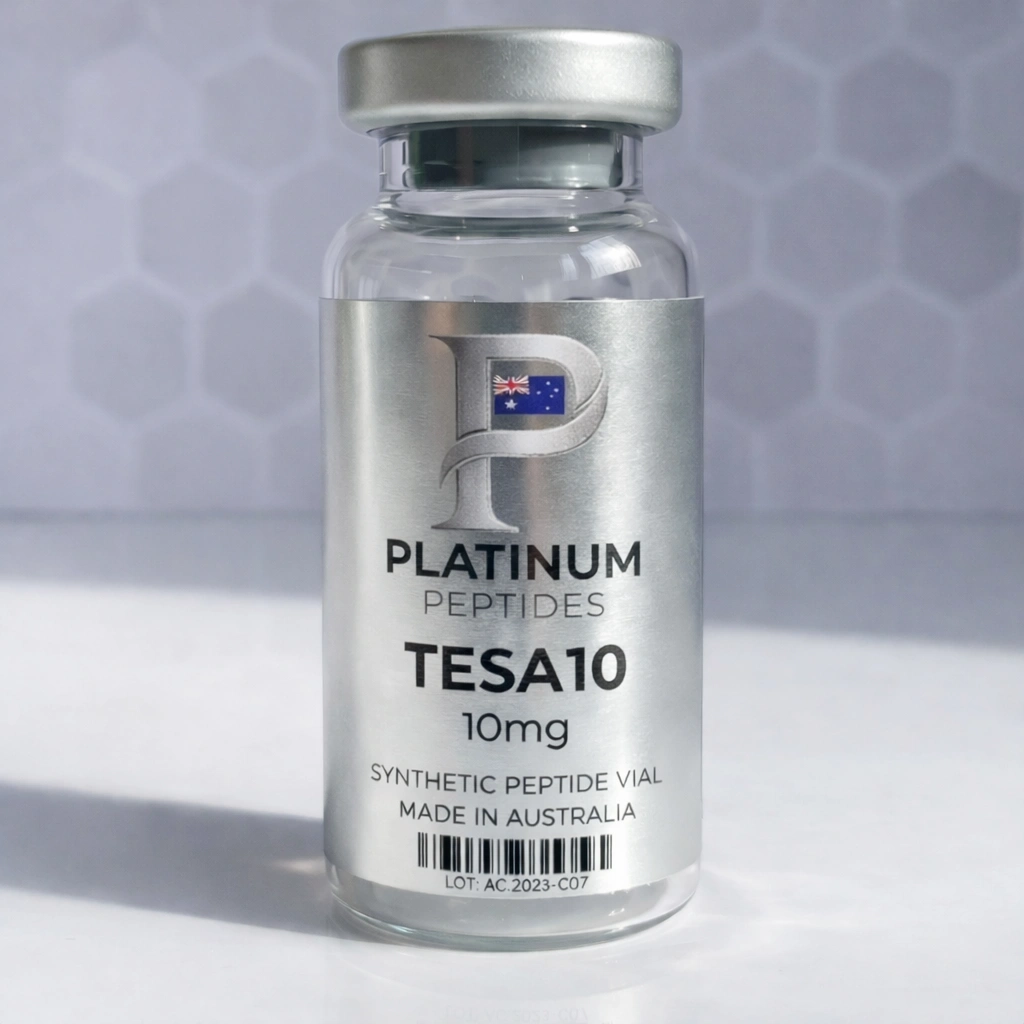
Peptide research has expanded significantly due to growing interest in understanding biological signaling pathways, receptor interactions, and metabolic processes. Among the compounds studied in this field, tesamorelin peptide has gained attention because of its relationship with growth hormone-releasing hormone (GHRH) pathways and its role as a synthetic analog used in scientific investigations. Researchers examine tesamorelin to better understand growth hormone regulation, downstream signaling mechanisms, and interactions within the growth hormone and insulin-like growth factor (IGF-1) axis.
Understanding the Structure of Tesamorelin
Tesamorelin is a synthetic analog of human growth hormone-releasing hormone. It is designed from the 44-amino-acid sequence of naturally occurring GHRH with structural modifications that improve stability compared with native GHRH. These molecular characteristics make it a useful compound for research involving receptor activation and hormonal signaling pathways.
From a scientific perspective, peptide structure is important because modifications in amino acid sequences can influence stability, receptor binding, and biological activity. Researchers study these characteristics to understand how peptide-based molecules interact with specific cellular targets.
Role of Tesamorelin in Growth Hormone Signaling Research
One of the primary areas of investigation surrounding tesamorelin peptide is its interaction with growth hormone-releasing hormone receptors. These receptors are located on pituitary cells responsible for producing growth hormone.
Research indicates that tesamorelin binds to GHRH receptors and stimulates the release of endogenous growth hormone through natural signaling mechanisms. Growth hormone then influences downstream pathways involving insulin-like growth factor 1 (IGF-1), which is produced mainly in the liver and other tissues.
This makes tesamorelin an important research compound for examining:
- Growth hormone regulation
- Hormonal feedback systems
- Receptor activity
- Metabolic signaling pathways
- Endocrine function
Research Into Metabolic Pathways
Scientists have studied tesamorelin in relation to metabolic processes, particularly those involving fat distribution and energy regulation. Research has explored how activation of the growth hormone pathway may influence visceral adipose tissue and related metabolic markers.
Studies involving tesamorelin have primarily focused on specific clinical populations, including individuals with HIV-associated lipodystrophy. These investigations have provided insight into how growth hormone signaling affects body composition and metabolic factors.
It is important to distinguish between clinical research findings and broader claims about peptide use. Scientific studies are conducted under specific conditions, and results may not apply to all populations.
Laboratory Research Applications
Researchers investigate tesamorelin in several areas related to molecular biology and endocrinology.
Common research applications include:
Hormone Signaling Studies
Tesamorelin is studied to understand how GHRH receptor activation influences growth hormone release and related biological processes.
Receptor Interaction Analysis
Scientists examine peptide-receptor binding characteristics to better understand signaling pathways and molecular responses.
Metabolic Research
Researchers investigate relationships between growth hormone pathways, IGF-1 activity, and metabolic regulation.
Peptide Stability Research
The modified structure of tesamorelin allows researchers to evaluate how molecular changes affect peptide stability and activity.
Importance of Controlled Peptide Research
Scientific peptide research requires strict quality standards, accurate documentation, and controlled laboratory environments. Researchers evaluate factors such as:
- Molecular identity
- Purity levels
- Storage conditions
- Stability characteristics
- Experimental consistency
These factors help ensure reliable research outcomes and accurate interpretation of scientific findings.
Tesamorelin and the Growth Hormone IGF-1 Axis
The relationship between growth hormone and IGF-1 is a major area of endocrine research. Growth hormone released from the pituitary can stimulate IGF-1 production, creating a signaling pathway involved in multiple physiological processes.
The study of this axis helps researchers understand:
- Hormonal regulation
- Cellular communication
- Tissue signaling
- Metabolic mechanisms
Because of its ability to interact with GHRH pathways, tesamorelin remains a valuable compound for investigating these biological systems.
Factors Researchers Consider When Studying Peptides
Before conducting peptide-based research, scientists typically evaluate several technical factors.
These include:
- Peptide sequence accuracy
- Laboratory handling procedures
- Storage requirements
- Experimental design
- Analytical testing methods
Careful evaluation helps maintain research reliability and supports reproducible scientific findings.
The Future of Peptide Research
Advancements in biotechnology continue to expand the understanding of peptide-based compounds. Researchers are exploring how peptides can provide insights into complex biological systems, receptor signaling, and molecular interactions.
As research methods improve, compounds such as tesamorelin continue to contribute valuable information about hormone regulation and related pathways.
Conclusion
The study of tesamorelin peptide provides valuable insight into growth hormone-releasing hormone signaling, receptor interactions, and metabolic research pathways. Its unique molecular structure and relationship with the GH and IGF-1 axis make it an important subject in scientific investigations focused on endocrine biology and peptide mechanisms. Researchers interested in peptide-related compounds and laboratory applications should understand scientific requirements and regulatory considerations before they buy peptides in Australia. Continued research into peptide technology may further improve understanding of complex biological processes and expand knowledge in molecular science.
