
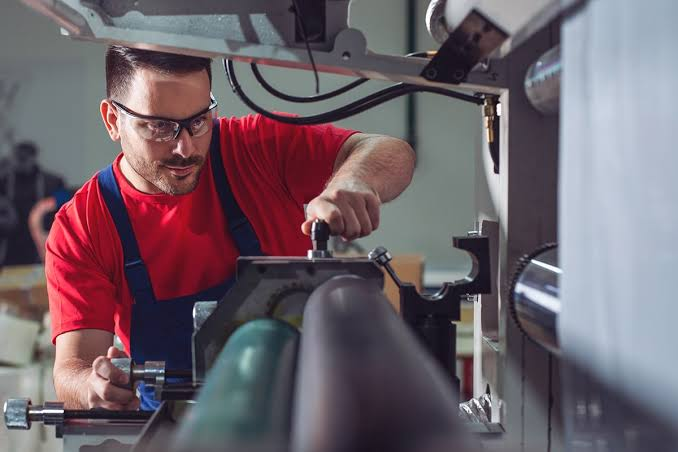
Modern manufacturing and distribution facilities depend on efficient packaging systems to keep production moving smoothly. From carton sealing and shrink wrapping to heat sealing and product conveyance, packaging equipment plays a crucial role in ensuring products are prepared safely and consistently for storage and transportation. As production demands increase, maintaining reliable equipment becomes essential for reducing downtime and improving operational efficiency.
Investing in preferred packaging systems is only part of the equation. Long-term performance also depends on preventive maintenance, timely replacement of wear components, and proper machine operation. A well-maintained packaging system delivers consistent results, extends equipment lifespan, and minimizes costly production interruptions. Packaging systems often include specialized sealing, heating, and cutting components that require periodic inspection and replacement to maintain optimal performance.
What Is Preferred Packaging?
Preferred packaging refers to packaging systems and machinery designed to automate processes such as sealing, shrink wrapping, film cutting, and product handling. These systems help manufacturers improve packaging consistency while increasing production speed.
Packaging equipment commonly supports:
- Carton sealing
- Shrink wrapping
- Heat sealing
- Product conveyance
- Film cutting
- End-of-line packaging
Modern systems are available in both semi-automatic and fully automatic configurations to meet different production requirements.
Why Packaging Equipment Matters
Reliable packaging equipment offers several operational advantages.
Businesses benefit through:
- Faster production cycles
- Consistent package quality
- Reduced manual labor
- Lower operating costs
- Improved workplace safety
- Better product protection
Efficient packaging systems also help reduce packaging errors while improving overall workflow across production facilities.
Key Components That Require Regular Inspection
Every packaging machine contains components that naturally wear with continuous use.
Some commonly serviced components include:
- Heating elements
- Seal bars
- Cutting blades
- Drive belts
- Rollers
- Bearings
- Springs
- Sensors
Routine inspections help identify wear before it affects machine performance or causes production delays.
The Importance of Preventive Maintenance
Preventive maintenance helps packaging systems operate efficiently while reducing unexpected breakdowns.
Recommended maintenance tasks include:
- Cleaning sealing assemblies
- Inspecting heating elements
- Checking conveyor alignment
- Lubricating moving components
- Tightening hardware
- Testing safety systems
- Replacing worn wear parts
Scheduled servicing allows maintenance teams to address minor issues before they become expensive repairs.
Understanding the Role of Machine Components
Every part machine system depends on multiple precision-engineered components working together efficiently. Even a single worn or damaged component can reduce production speed, create inconsistent package quality, or cause complete equipment failure.
Maintaining replacement parts on-site offers several benefits:
- Faster equipment repairs
- Reduced production downtime
- Improved operational reliability
- Better maintenance planning
- Longer equipment lifespan
Keeping commonly used replacement components readily available allows maintenance personnel to complete repairs quickly and efficiently.
Common Causes of Packaging Equipment Downtime
Several factors can contribute to equipment failure if preventive maintenance is neglected.
Common issues include:
- Worn heating elements
- Damaged seal bars
- Misaligned conveyors
- Worn belts
- Electrical faults
- Poor lubrication
- Delayed replacement of wear components
Routine maintenance significantly reduces the likelihood of these problems affecting production.
Best Practices for Long-Term Equipment Performance
Organizations can maximize equipment reliability by following several proven maintenance practices.
These include:
- Following manufacturer service schedules
- Training equipment operators
- Performing regular inspections
- Keeping machines clean
- Replacing worn components promptly
- Recording maintenance activities
A structured maintenance program helps improve productivity while extending machine life.
Choosing the Right Packaging Equipment
When selecting packaging machinery, businesses should evaluate:
- Production capacity
- Packaging materials
- Machine compatibility
- Maintenance requirements
- Available floor space
- Future production growth
Selecting equipment that aligns with operational goals helps improve efficiency while reducing long-term operating costs.
Why Spare Parts Planning Is Important
Many production interruptions occur simply because replacement parts are unavailable when needed.
Developing a spare parts strategy helps organizations:
- Reduce emergency repairs
- Minimize downtime
- Improve maintenance scheduling
- Increase equipment availability
- Control maintenance costs
Planning ahead ensures maintenance teams can respond quickly whenever servicing becomes necessary.
Conclusion
Preferred packaging systems help manufacturers improve packaging consistency, increase production efficiency, and support reliable end-of-line operations. However, even the most advanced equipment performs best when supported by routine maintenance, preventive servicing, and timely replacement of wear components. Proper maintenance of every part machine is essential for ensuring consistent packaging performance and long-term equipment reliability. By implementing a proactive maintenance strategy, businesses can reduce downtime, improve package quality, and maximize the return on their packaging equipment investment.
