
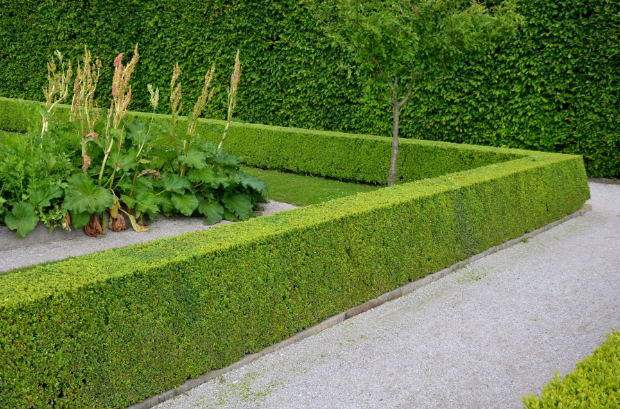
Creating a beautiful and functional landscape requires thoughtful plant selection. Whether the goal is to add privacy, define property boundaries, reduce noise, or improve outdoor aesthetics, the right greenery can make a significant difference. Hedge plants are one of the most popular landscaping choices because they provide natural barriers while enhancing the overall appearance of gardens, yards, and commercial spaces.
Unlike fences or artificial screens, living hedges offer a natural look that changes and develops over time. They can create a softer landscape design while providing shade, greenery, and habitat for beneficial wildlife. With many varieties available, homeowners can select hedge plants based on climate, maintenance preferences, growth speed, and desired appearance.
What Are Hedge Plants?
Hedge plants are shrubs or small trees that are grown closely together to create a continuous row of greenery. They are commonly used as living fences, decorative borders, and privacy screens.
Depending on the variety selected, hedges can provide:
- Year-round greenery
- Outdoor privacy
- Wind protection
- Landscape structure
- Improved curb appeal
Many hedge varieties can also be trimmed into specific shapes, allowing homeowners to create formal designs or more natural-looking landscapes.
Benefits of Planting Hedge Plants
Adding hedge plants to a landscape provides several practical and aesthetic benefits.
Natural Privacy Screening
One of the main reasons homeowners choose hedge plants is to create privacy. Dense foliage blocks unwanted views while maintaining a natural appearance.
Evergreen hedges are especially useful for privacy because they maintain their leaves throughout the year, creating a consistent green barrier.
Enhances Property Appearance
Well-maintained hedges can improve the visual appeal of a property. They add structure, color, and texture while creating clear boundaries between different outdoor areas.
Reduces Noise and Wind
Dense plant growth can help soften outside sounds and reduce wind exposure, making outdoor spaces more comfortable.
Supports a Healthier Environment
Plants contribute to better air quality and provide shelter for birds and beneficial insects. A carefully planned hedge can become an important part of a balanced landscape.
Choosing the Right Hedge Plants
Selecting the right hedge depends on several factors, including location, available space, and maintenance requirements.
Consider Growth Rate
Fast-growing hedge plants can create privacy quickly, but they may require more frequent pruning. Slower-growing varieties often need less maintenance but take longer to establish.
Check Mature Size
Before planting, consider how tall and wide the hedge will become. Choosing a variety suitable for the available space helps prevent overcrowding and excessive trimming.
Evaluate Climate Conditions
Different plants perform better in different environments. Sun exposure, rainfall, soil type, and temperature all influence plant health.
Determine Maintenance Needs
Some hedges require regular shaping, while others naturally maintain a neat appearance with minimal care.
Popular Types of Hedge Plants
There are many hedge varieties suitable for different landscaping goals.
Evergreen Hedge Plants
Evergreen varieties are commonly selected for privacy because they maintain foliage throughout the year. They create consistent screening and provide a reliable green backdrop.
Examples include:
- Podocarpus
- Laurel varieties
- Ficus species
- Boxwood
These options are especially useful for homeowners who want a permanent landscape feature.
Flowering Hedge Plants
Flowering hedges add seasonal color and visual interest. They can provide privacy while also creating an attractive garden feature.
Popular flowering hedge options include:
- Hibiscus
- Hydrangea
- Oleander
- Camellia
Fast-Growing Hedge Plants
Fast-growing varieties are useful for homeowners who want quicker results. However, they often require regular maintenance to control size and encourage healthy growth.
Podocarpus as a Privacy Hedge Option
A Podocarpus hedge is a popular choice for creating dense, evergreen screens in suitable climates. Podocarpus macrophyllus is valued for its dark green foliage, upright growth habit, and ability to be shaped into formal hedges. It is commonly used as a screen or hedge because of its dense lower branches and evergreen appearance.
Podocarpus can be used for:
- Property line screening
- Garden borders
- Decorative green walls
- Commercial landscapes
This plant performs well in full sun to partial shade and adapts to various landscape applications when planted in suitable soil conditions with proper drainage.
How to Plant Hedge Plants Successfully
Proper planting techniques help establish healthier and stronger hedges.
Select the Right Location
Choose an area with appropriate sunlight, drainage, and enough room for mature growth.
Prepare the Soil
Healthy soil supports root development. Adding organic matter can improve soil structure and help plants establish more effectively.
Maintain Proper Spacing
Plant spacing depends on the mature width of the selected variety. Proper spacing prevents overcrowding and allows better airflow.
Water Regularly During Establishment
Newly planted hedges need consistent watering while roots develop. Once established, many varieties require less frequent watering.
Maintaining Healthy Hedges
Regular maintenance keeps hedge plants attractive and healthy.
Important care practices include:
Pruning
Trimming encourages dense growth and helps maintain the desired shape.
Mulching
Mulch helps retain moisture, regulate soil temperature, and reduce weed growth.
Fertilizing
Appropriate fertilization supports healthy foliage and stronger growth.
Monitoring Plant Health
Checking plants regularly helps identify pests, diseases, or nutrient issues early.
Designing a Landscape With Hedge Plants
Hedges can be used creatively throughout outdoor spaces. They can separate garden sections, frame walkways, surround patios, or create private relaxation areas.
Combining different plants can create layered landscapes with varying heights, colors, and textures. A mixture of evergreen and flowering varieties can provide year-round interest while improving the overall design.
Conclusion
Choosing the right hedge plants can transform an outdoor area by adding privacy, beauty, and natural structure. For homeowners seeking a dense and attractive evergreen option, a Podocarpus hedge offers a reliable choice that combines greenery, flexibility, and visual appeal for a variety of outdoor spaces. With proper selection, planting, and maintenance, hedges can provide long-lasting benefits while creating a more inviting landscape.
