
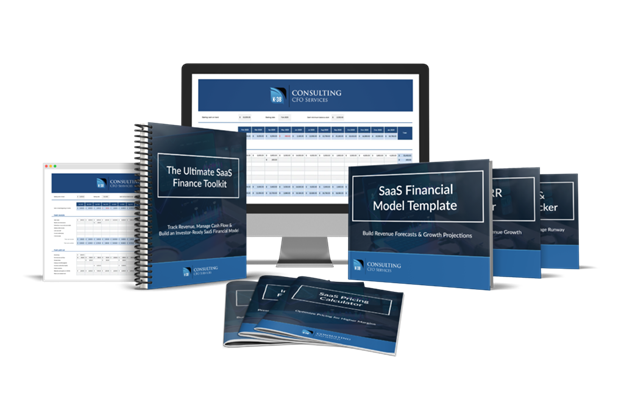
Launching a SaaS startup is thrilling, but growth without careful financial planning can be disastrous. Founders often focus on product development, customer acquisition, or marketing campaigns, yet they underestimate how vital structured financial insights are. A SaaS financial model template empowers startups to anticipate revenue trends, manage costs, and plan strategic moves that foster long-term growth.
Rather than simply logging numbers, a financial model turns assumptions—like pricing changes, customer growth, and operational expenses—into actionable strategies, enabling informed decisions at every stage.
Why SaaS Startups Can’t Ignore Financial Modeling
Many early-stage SaaS startups make the mistake of treating revenue and cash flow as secondary concerns. This approach can be risky because:
- Subscription revenue depends heavily on retention and recurring purchases.
- Small shifts in churn or customer acquisition cost can dramatically affect profitability.
- Investors demand clear, data-backed projections before committing funds.
A financial model answers critical questions: How much runway do we have? What happens if churn spikes? Can we afford a new marketing initiative? By having a plan, founders avoid reactive decisions and make growth more predictable.
Metrics Every SaaS Financial Model Must Track
A comprehensive SaaS financial model focuses on metrics that reflect both growth and sustainability:
- Monthly Recurring Revenue (MRR): Monitors subscription income month by month.
- Annual Recurring Revenue (ARR): Shows the long-term revenue trajectory.
- Customer Acquisition Cost (CAC): Measures the cost-effectiveness of marketing and sales.
- Customer Lifetime Value (LTV): Projects total revenue from a customer over their subscription.
- Churn Rate: Indicates retention and potential revenue loss.
- Expansion Revenue: Tracks revenue from upselling and cross-selling.
These metrics allow startups to simulate scenarios such as launching a new pricing tier, adjusting marketing spend, or introducing product features to forecast their financial impact.
Practical Advantages of a SaaS Financial Model Template
- Cash Flow Forecasting: Predict inflows and outflows to avoid funding gaps.
- Scenario Analysis: Model “what-if” situations, like hiring a new team or scaling marketing efforts.
- Investor Confidence: Provide structured financial reports to secure funding.
- Pricing Strategy Evaluation: Understand how changes in subscription plans affect revenue and retention.
- Operational Planning: Make strategic decisions on hiring, marketing, and product development based on accurate data.
With a template, startups consolidate all vital financial information, making it easier to make smart, timely decisions.
Common Risks of Skipping a Financial Model
Startups that ignore financial modeling often face:
- Overspending without clear ROI
- Running out of cash before hitting critical milestones
- Misjudging the effect of churn on revenue
- Difficulty convincing investors due to unclear projections
A SaaS financial model minimizes these risks by offering a clear, structured view of the startup’s current and future financial state.
Boosting Financial Models with Outsourced CFO Services
Hiring a full-time CFO can be expensive. Outsourced CFO services, like those offered by K-38 Consulting, LLC, enhance the value of a financial model by providing:
- KPI dashboards for performance tracking
- Detailed cash flow and runway analysis
- Investor reporting and fundraising support
- Pricing and revenue optimization strategies
- Scenario-based strategic guidance
With professional CFO guidance, the financial model becomes a tool that actively drives growth rather than just tracking it.
Attracting Investors Using a Financial Model
Investors favor startups that can demonstrate predictable growth and financial discipline. A SaaS financial model highlights:
- Revenue trends and long-term projections
- Marketing efficiency (CAC vs. LTV)
- Funding needs and projected runway
- Retention strategies and churn mitigation
- Roadmap to profitability
Clear, structured projections help startups build credibility and increase their chances of funding.
Check a trusted SaaS resource here:
SaaS financial model template
Conclusion
A SaaS financial model template is a strategic necessity for startups aiming to grow efficiently, attract investors, and make informed decisions. By monitoring key metrics, running scenario analyses, and leveraging outsourced CFO expertise, founders can secure sustainable growth and long-term stability. For SaaS startups, adopting a SaaS financial model template isn’t optional—it’s a growth and survival tool.
