
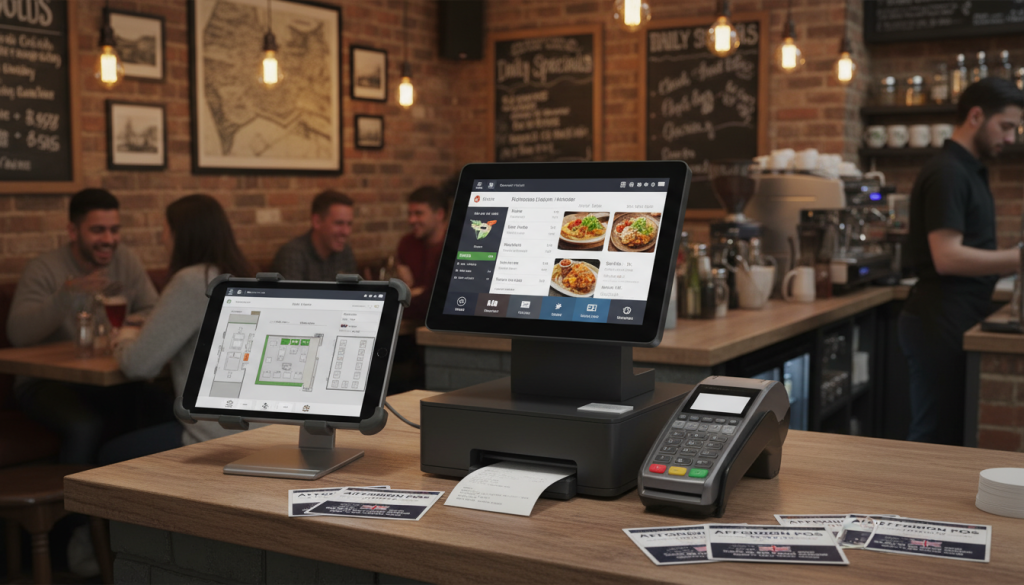
In the fast-paced world of the hospitality industry, the difference between a thriving business and a struggling one often comes down to seconds. For coffee shops and bistros, where the morning rush can make or break the day’s revenue, efficiency isn’t just a luxury—it is a requirement. Central to this efficiency is the cafe point of sale system, a tool that has evolved far beyond the capabilities of a traditional cash register to become the operational hub of the modern eatery.
Navigating the Complexity of the Morning Rush
Anyone who has worked behind a coffee bar knows the intensity of the 8:00 AM peak. Customers arrive with a variety of complex requirements: different milk alternatives, varying shot counts, sugar preferences, and temperature requests. Processing these orders accurately while maintaining speed is a delicate balancing act.
A high-performance cafe point of sale system simplifies this complexity through an intuitive interface. By using “conversational ordering” prompts, the software guides the staff through necessary modifiers, ensuring that every “extra hot, oat milk latte” is recorded correctly the first time. This reduces the friction between the front-of-house and the barista, preventing the costly errors and ingredient waste that occur when orders are shouted or scribbled on napkins.
Inventory Management and the Bottom Line
Profitability in a cafe is often found in the margins. Milk, specialty beans, and fresh pastries are perishable assets with a limited shelf life. If you overstock, you lose money to waste; if you understock, you lose customers to the shop down the street.
Implementing a robust cafe point of sale system allows owners to move away from guesswork. Modern systems offer real-time inventory tracking that deducts ingredients as they are sold. This level of granularity provides business owners with the data needed to make informed purchasing decisions. When the system alerts you that your almond milk levels are low or that a specific pastry isn’t moving as expected, you can adjust your operations instantly rather than waiting for a monthly stocktake.
Enhancing the Customer Experience
In today’s digital-first economy, customer expectations have shifted. Patrons expect multiple payment options, ranging from traditional cards to mobile wallets and contactless “tap-and-go” solutions. A modern cafe point of sale system facilitates these transactions with lightning speed, significantly reducing queue times.
Furthermore, these systems play a vital role in building brand loyalty. Instead of traditional paper punch cards that are easily lost or forgotten, digital loyalty programs can be integrated directly into the checkout process. By capturing customer data—with permission—cafes can send personalized offers, celebrate birthdays, and reward their most frequent visitors. This personal touch, powered by backend data, is what transforms a one-time visitor into a lifelong regular.
Data-Driven Decision Making
The true “human touch” in business comes from a manager having the time to interact with guests and lead their team. This is only possible when they aren’t buried in spreadsheets. A professional cafe point of sale system generates automated reports that highlight peak trading hours, top-performing staff members, and the most profitable menu items.
By analyzing these reports, a cafe owner can optimize their staffing schedules to ensure they are never understaffed during a rush or overstaffed during a lull. It allows for menu engineering—knowing exactly which seasonal specials resonated with the local community and which ones didn’t. This level of insight ensures the business remains agile in an ever-changing economic landscape.
Conclusion
The investment in a dedicated cafe point of sale system is an investment in the future of the business. It is about more than just processing payments; it is about creating a workspace where baristas can focus on their craft, where managers have total visibility over their stock, and where customers enjoy a frictionless, personalized experience. As the coffee industry continues to grow and compete, those who embrace these technological foundations will be the ones who lead the market.
