
The market for novelty identification has transitioned from obscure corners of the internet into highly organized, community-driven ecosystems. For collectors, theatrical performers, and novelty enthusiasts, the primary challenge is no longer finding a source, but rather distinguishing between high-fidelity craftsmanship and fraudulent storefronts. In a landscape that lacks traditional consumer protections, the collective experience of the community has become the gold standard for safety and quality assurance.
The Importance of User-Driven Data
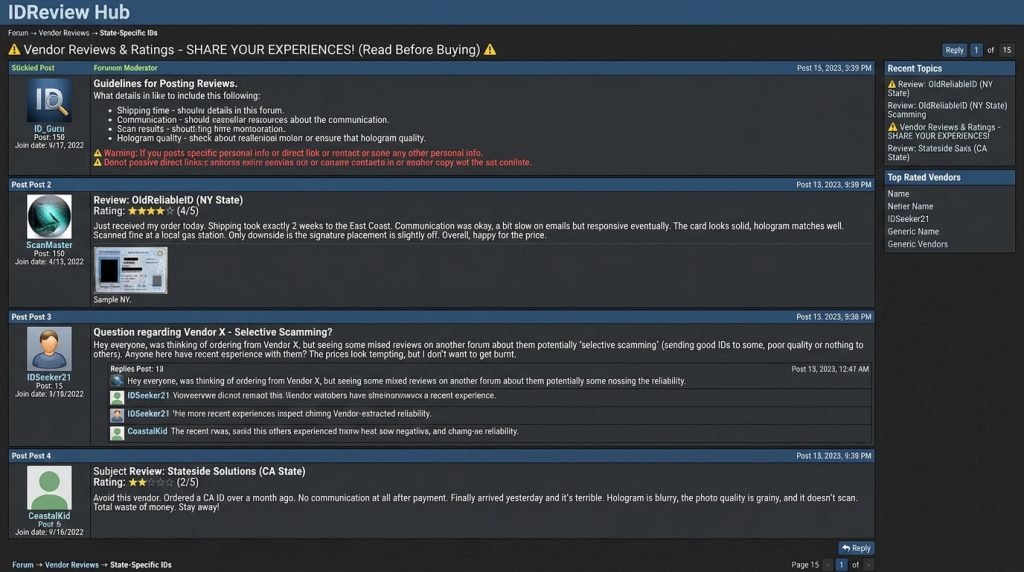
When entering this niche industry, a vendor’s own marketing can be incredibly deceptive. High-resolution stock photos and bold claims about “perfection” often mask substandard printing techniques or outdated security features. This is why seasoned users rely heavily on fake id community reviews to get an unfiltered look at a producer’s current output. These reviews provide a level of transparency that simply cannot be found on a vendor’s home page.
By analyzing community feedback, individuals can evaluate several critical factors:
- Security Feature Replication: Detailed reports on how well a card handles UV light tests, holograms, and microprinting.
- Tactile Quality: Insights into the feel of the card, specifically whether the polycarbonate or PVC used matches the rigidity of a genuine document.
- Logistical Reliability: Real-time data on shipping success rates and the effectiveness of stealth packaging methods.
Identifying Market Trends and Technical Shifts
The novelty ID industry is in a constant state of flux. As government agencies update security measures—such as moving toward laser-engraved portraits or complex window features—vendors must innovate to stay relevant. Community forums act as a live news desk for these technical shifts. Through peer-to-peer discussions, users can identify which vendors have successfully cracked the latest 2D barcode encoding and which ones are falling behind.
Furthermore, these platforms help users navigate the common risks associated with the industry. Beyond the financial risk of losing money to a “scam site,” there are significant concerns regarding data privacy. Experienced community members often share best practices for digital hygiene, such as using encrypted communication and secure payment methods to ensure that personal information remains protected throughout the transaction process.
The Role of Transparency in Quality Control
In an industry defined by anonymity, reputation is a vendor’s most valuable asset. A single wave of negative feedback regarding poor customer service or a decline in card quality can quickly alert the entire market. This decentralized form of quality control forces producers to maintain high standards and consistent results. When vendors know their work will be scrutinized by thousands of eagle-eyed collectors, they are more likely to invest in the high-end machinery required for professional-grade replicas.
Summary of Market Dynamics
Successfully navigating the novelty identification market requires a blend of caution and extensive research. By leveraging the shared knowledge and crowdsourced ratings found in online forums, you can bypass the uncertainty of the open web. In a space where trust is hard to come by, the shared voice of the community remains the most powerful guide for making informed, secure, and reliable choices.
